- Home
- |
- News - Event
- |
- Science / Technology
Recycling municipal waste, it seems to be easy, but no easy
Normally, after being classified, organic waste is often dumped into hills, then these hills attract insect come and make them become green manure. Such kind of fertilizer can be used as supported one in reducing expenditure for famers. Waste which cannot be used for fertilizer will be dumped in a place where is not our houses and no one complains about that.
However, urban waste is not classified at source as it is not instructed and propagandized by local authorities, all things which cannot be used are thrown into garbage cans, such as food, bottles, branches, old clothes, clouts, paper, even some mixed cement remaining from household small repair or waste from springing-clean the houses on weekends or holidays are also put into garbage cans. Therfore rate of municipal waste is not significant in comparison with other ones.
As a result of this, there are many things mixed in municipal waste causing so difficult in classifying waste for composting process. Rate of organic waste collected is not high, leading much cost for classifying equipment.
Moreover, there is a big amount of nylon mixed in waste causing many difficulties for waste classification in following processes.
From the features mentioned above, recycling municipal waste to be compost is not as simple as we think. Cost is rather high. In case waste is classified at source- only two types at source- cost for composting process will be significantly reduced.
Due to these features of municipal waste in Viet Nam as mentioned above, there is no producer can quitely meet requirements on receiving, classifying, recycling municipal waste to become useful products. In addition, due to limitted economic development of Viet Nam, budget for leaning up, improving the environment is very narrow. Companies in charge of waste treatment only do their work in accordance with amount they receive from state budget. In parallel with that, people do not significantly contribute to collecting, transporting and treating waste as they think it is the State’s responsibility. Therefore, recycling and treating waste meets many difficulties. A set of equipment imported or local produced only functions in one process among various processes in waste treating and recycling. It is necessary to fully consider all factors such as classification, turning up and separating during design period to get high quality compost which can be used for plant. Therefore, it is required that people functioning in environmental sector must have good hearts and knowledge on agriculture, machanics, biology and sufficient budget for operation.
We can imagine that waste from household contains less than 50% of organic. It will be classified manually then going through shredder and bag opener. The shredder is easily damaged or stuck because of metal, non-organic, miscellaneous.
After going through the shredder, waste is transferred to a screen for classification based on waste size and then it is gradually seperated in organic waste and other kinds of waste. Nylon is also separated in this process.
Waste with most of organic content is fermented. In this process, fermented waste is strictly monitored on temperature, humidity, air ventilation so that waste can be completely decomposed compost in accordance with schedule.
Science / Technology Other
Date: 21-12-2023
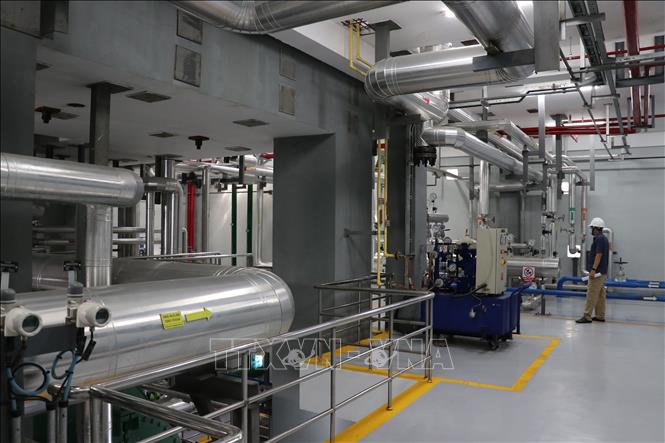
WASTE-TO-ENERGY TECHNOLOGY WITH A 5MW CAPACITY IN BINH DUONG
Date: 13-12-2013